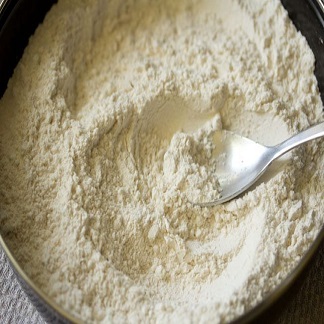
Some uses of Vigna mungo / Urad Flour is given below
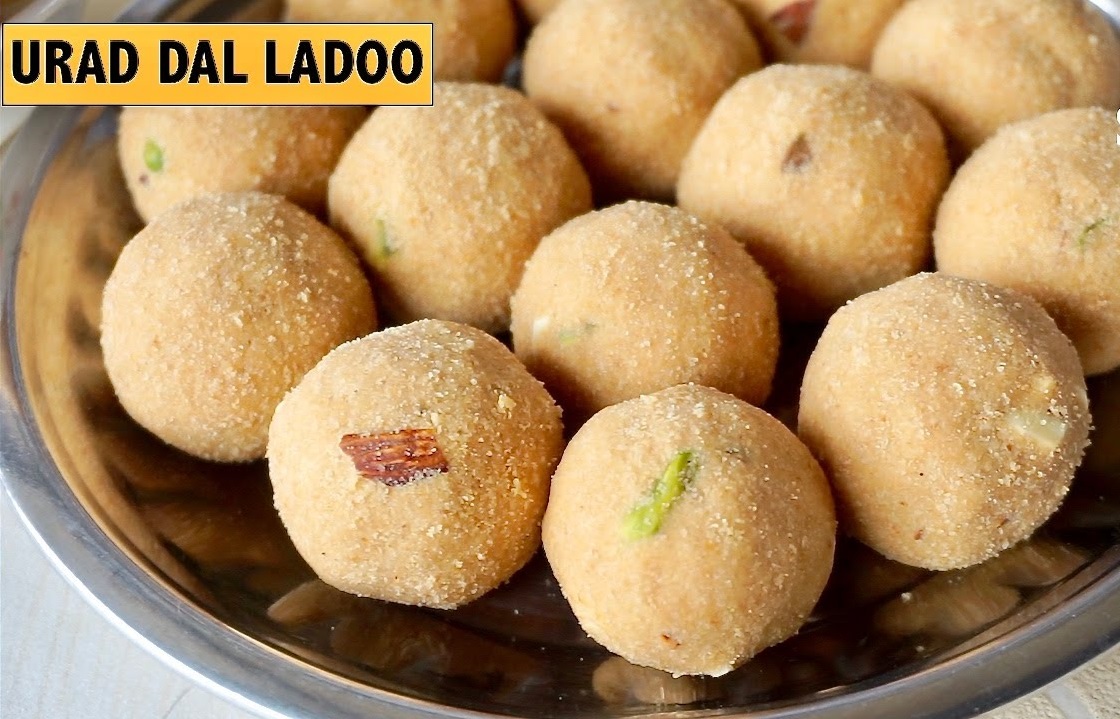
> Making urad flour ladoo is a delicious and easy-to-make Indian sweet treat. Urad flour ladoos are
soft, melt-in-your-mouth delicacies made from roasted urad dal flour, sugar, ghee, and aromatic
spices.
Ingredients:
- 1 cup urad dal flour (split black gram flour)
- 3/4 cup powdered sugar
- 1/2 cup ghee (clarified butter)
- 1/4 teaspoon cardamom powder
- A pinch of nutmeg powder (optional)
- Chopped nuts (almonds, cashews, pistachios) for garnishing (optional)
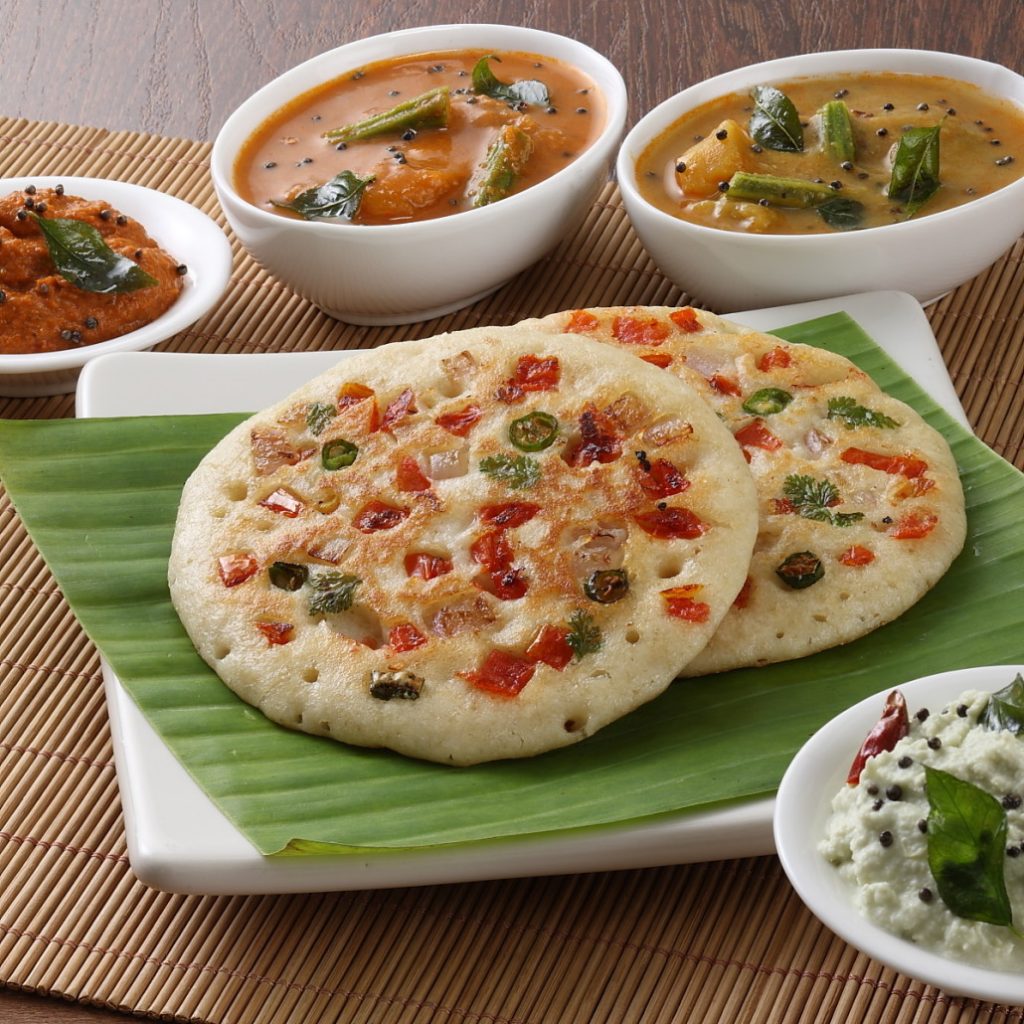
> Uttapam is a popular South Indian dish that is similar to a savory pancake or dosa but thicker and
topped with various vegetables. While traditional uttapam is made using a batter of soaked and
ground rice and urad dal, you can make a quicker version using urad flour.
Ingredients:
- 1 cup urad flour (split black gram flour)
- 1 cup rice flour
- 1/4 cup semolina (rava) or fine sooji
- 1/2 cup yogurt (curd)
- 1 cup water (adjust as needed for the batter consistency)
- 1 small onion, finely chopped
- 1 small tomato, finely chopped
- 1 small green bell pepper (capsicum), finely chopped
- 1-2 green chilies, finely chopped (adjust to your spice preference)
- A handful of fresh coriander leaves, chopped
- Salt to taste
- A pinch of asafoetida (hing)
- Cooking oil or ghee, as needed for cooking
More about Vigna mungo / Urad Flour
- Rich in Protein: Urad flour is an excellent source of plant-based
protein, making it a valuable ingredient for vegetarians and vegans to meet their protein needs.
Protein is essential for cell repair, muscle building, and overall body function.
- High in Fiber: Urad flour is rich in dietary fiber, which
promotes good digestion and helps maintain a healthy digestive system. Fiber also aids in
regulating blood sugar levels and keeping cholesterol levels in check.
- Good Source of Iron: Urad flour contains a significant amount of
iron, an essential mineral that helps in the production of red blood cells and prevents anemia.
Including urad flour in your diet can help combat iron deficiency.
- Provides Energy: Urad flour is a good source of carbohydrates,
which are the primary source of energy for the body. Consuming urad flour can provide a quick
and sustained energy boost.
- Rich in Vitamins and Minerals: Urad flour is packed with various
vitamins and minerals, including potassium, magnesium, calcium, phosphorus, and B-complex
vitamins, which play vital roles in maintaining overall health.
- Supports Heart Health: The presence of potassium and magnesium in
urad flour contributes to heart health by regulating blood pressure and improving blood
circulation. Additionally, the fiber content helps in reducing bad cholesterol levels.
- Boosts Bone Health: Urad flour contains calcium, phosphorus, and
magnesium, which are essential for maintaining strong and healthy bones.
- Low Glycemic Index: Urad flour has a low glycemic index, which
means it releases sugar into the bloodstream slowly, making it a suitable option for individuals
with diabetes.
- Promotes Skin Health: The nutrients in urad flour, such as
protein, iron, and various vitamins, contribute to healthy skin and may help in preventing
skin-related issues.
- Supports Digestive Health: The fiber content in urad flour aids
in promoting regular bowel movements and prevents constipation, thus supporting digestive
health.
Notice :-While urad flour offers these health benefits, it's essential to
consume it in moderation as part of a balanced diet. Additionally, if you have any specific health
conditions or dietary restrictions, it's always a good idea to consult with a healthcare
professional or a registered dietitian for personalized advice.