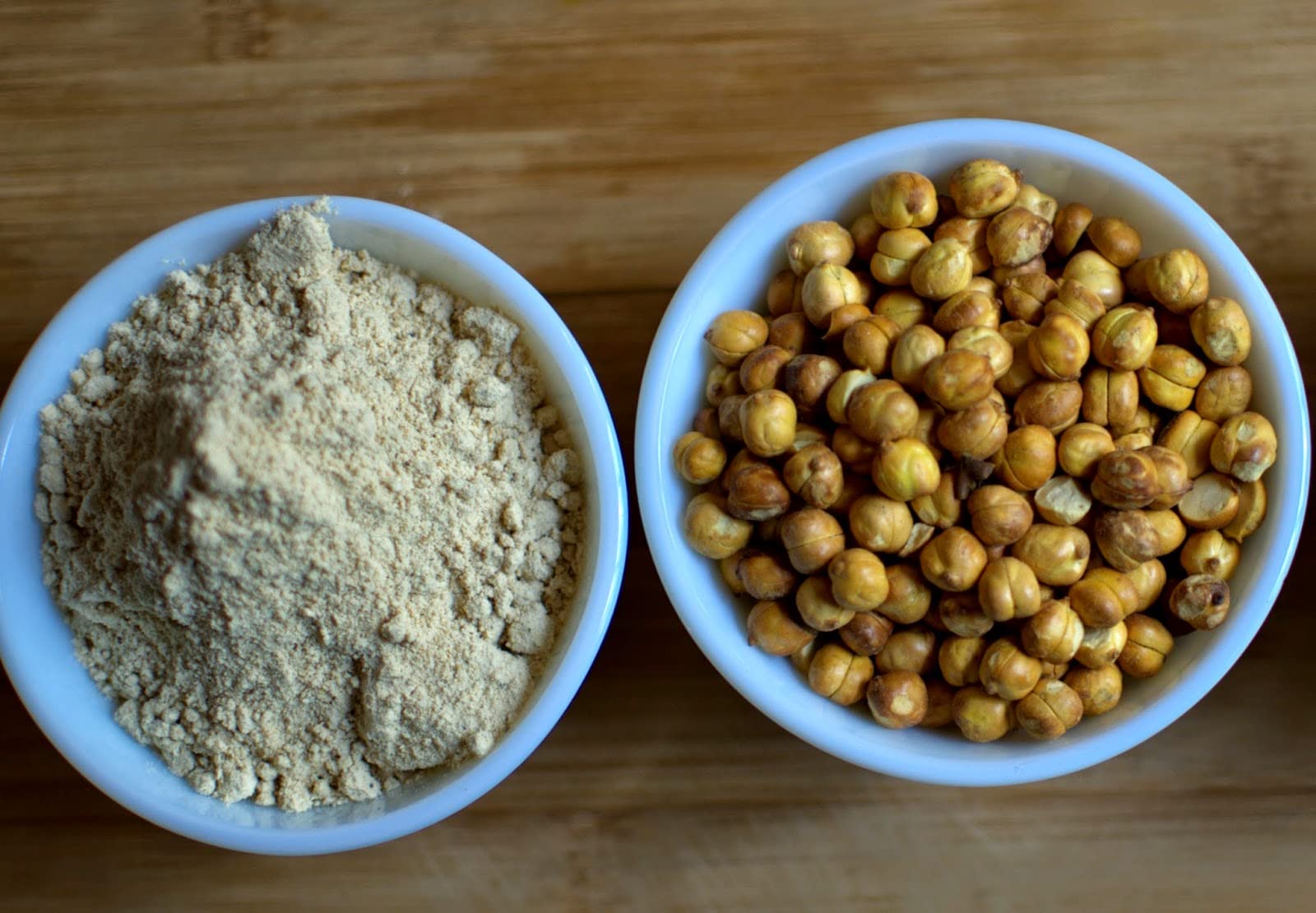
More about Sattu Atta Roasted Gram Atta Flour
- Rich in Protein: Roasted gram flour is known for its high protein content.
Protein is essential for building and repairing tissues, supporting muscle health, and maintaining overall
body function.
- High in Fiber: Gram flour is a good source of dietary fiber, which is
important for digestive health. Adequate fiber intake can help prevent constipation and promote a healthy
digestive system.
- Nutrient Content: Sattu Atta contains various essential nutrients,
including vitamins such as B vitamins (folate, B6) and minerals like iron, magnesium, and phosphorus. These
nutrients play crucial roles in various bodily functions.
- Low Glycemic Index:Foods with a low glycemic index release glucose slowly
into the bloodstream, helping to regulate blood sugar levels. This can be beneficial for individuals
managing diabetes or those seeking stable energy levels.
- Gluten-Free Option: If made from gluten-free sources, roasted gram flour
can be a suitable option for individuals with gluten sensitivity or celiac disease.
- Energy Boost:Sattu is often consumed in beverages or dishes for its
potential to provide a quick and sustained energy boost. It is sometimes used as an ingredient in summer
drinks to combat heat and fatigue.
- Versatility in Cooking:Sattu Atta can be used in a variety of culinary
applications, including as a thickening agent in gravies, for making flatbreads, or in beverages like Sattu
Sherbet.
- Plant-Based Protein Source:Sattu Atta is a plant-based protein source,
making it suitable for vegetarians and vegans who may be looking to increase their protein intake from
non-animal sources.
- Satiety:Protein and fiber content in Sattu Atta can contribute to a feeling
of fullness, which may aid in weight management by reducing overall calorie intake.
- Potential Cooling Effect:Sattu drinks are sometimes consumed in hot weather
due to the belief that they have a cooling effect on the body.
Notice :- As with any food product, it's important to consider individual dietary
needs, preferences, and potential allergies. If you have specific health concerns or dietary restrictions,
it's advisable to consult with a healthcare professional or a nutritionist for personalized advice.