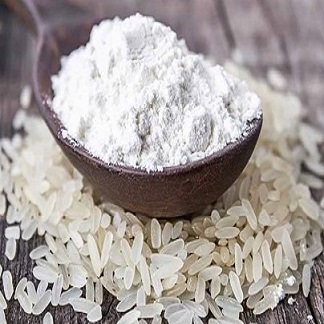
Some uses of Rice Flour is given below
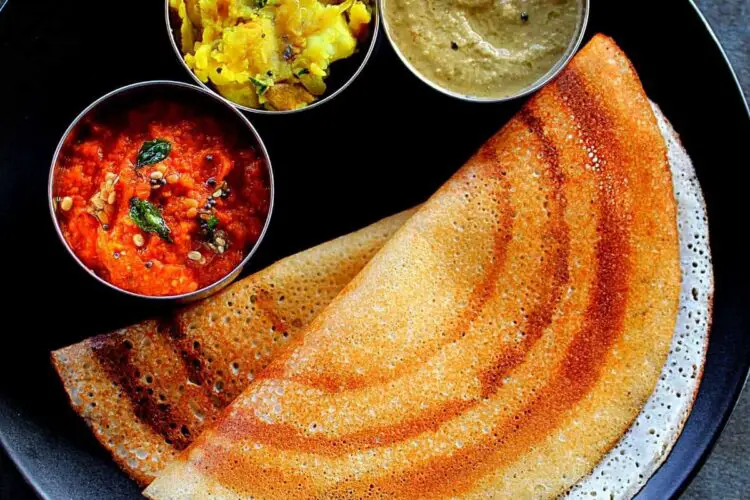
> Making dosa with rice flour is a quick and easy alternative to traditional dosa recipes that
require soaking and grinding rice. Rice flour dosa turns out crispy and delicious, perfect for a
light and satisfying meal.
Ingredients:
- 1 cup rice flour
- 1/4 cup urad dal flour (optional, for added texture)
- 1/4 cup semolina (rava) or poha (flattened rice) (optional, for crispiness)
- 1/2 teaspoon cumin seeds (optional, for flavor)
- 1/2 teaspoon crushed black pepper (optional, for a hint of spiciness)
- 1 teaspoon salt (adjust to your taste)
- Water, as needed
- Oil or ghee for cooking the dosa
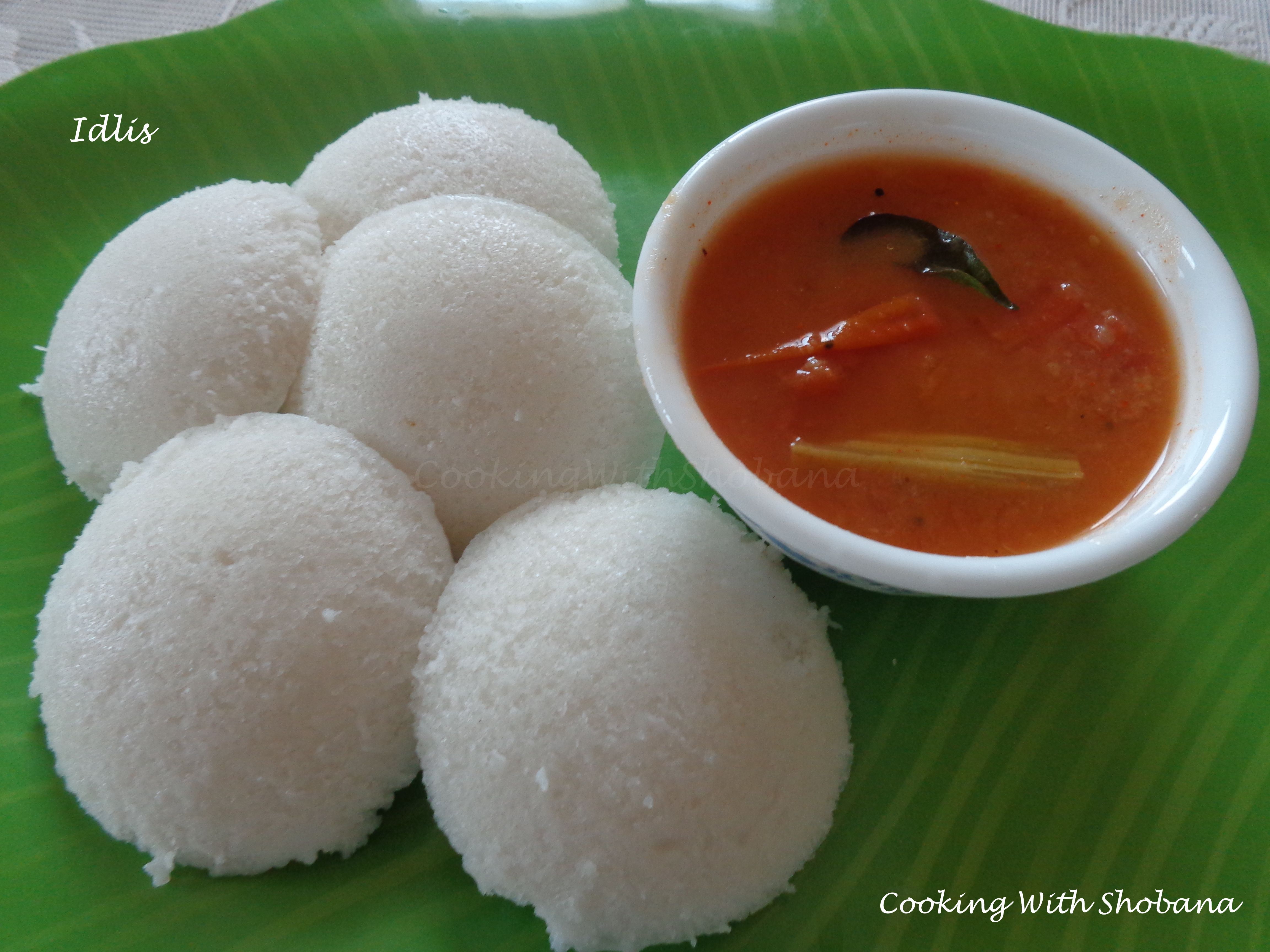
> It seems like there might be a slight typo in your question. I assume you meant "idli" instead of
"idle." Idli is a popular South Indian steamed rice cake made from fermented rice and urad dal
batter. It is a healthy and light breakfast or snack option.
Ingredients:
- 1 cup rice flour
- 1 cup urad dal flour (split black gram flour)
- 1/4 teaspoon fenugreek seeds (methi seeds) (optional, for fermentation)
- 1/2 teaspoon baking soda (optional, for instant idlis)
- Salt to taste
- Water, as needed
- Oil or ghee for greasing the idli molds
More about Rice Flour
- Gluten-Free: Rice flour is naturally gluten-free, making it an
excellent option for individuals with celiac disease or gluten sensitivity.
- Easily Digestible: Rice flour is easily digestible and gentle on
the stomach, making it suitable for individuals with digestive issues or sensitive digestive
systems.
- Good Source of Carbohydrates: Rice flour is a rich source of
carbohydrates, providing energy to the body and serving as a staple food in many cultures.
- Low in Fat: Rice flour is relatively low in fat, making it a
lighter alternative to other flours that may have higher fat content.
- Contains Essential Vitamins and Minerals: Rice flour contains
essential vitamins and minerals such as thiamine (vitamin B1), niacin (vitamin B3), iron,
magnesium, and phosphorus.
- Provides Fiber: While rice flour is not as high in fiber as some
other flours, it still contains dietary fiber, which is beneficial for digestive health.
- Suitable for Weight Management: As rice flour is low in fat and
contains carbohydrates, it can be a suitable option for those looking to manage their weight.
- Easy to Use: Rice flour has a mild flavor and smooth texture,
making it easy to incorporate into various recipes, from sweet to savory dishes.
- Allergy-Friendly: Apart from being gluten-free, rice flour is
less likely to cause allergic reactions compared to some other flours like wheat or nut-based
flours.
- Thickening Agent: Rice flour can be used as a thickening agent
in soups, sauces, and gravies due to its ability to absorb liquid and create a smooth texture.
- Versatility in Cooking: Rice flour can be used to make a wide
range of dishes, including rice noodles, bread, pancakes, cakes, cookies, dumplings, and more.
Notice :-While rice flour offers these health benefits, it is essential
to note that, like any food, moderation is key. Balance your diet with a variety of whole foods to
ensure you are getting a wide range of nutrients. If you have specific dietary needs or health
concerns, it's always a good idea to consult with a healthcare professional or a registered
dietitian for personalized advice.