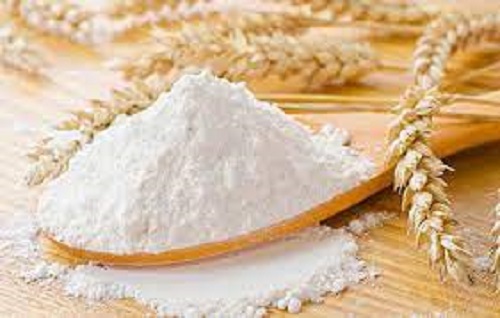
Some uses of Wheat (MP Lokwan) Flour is given below
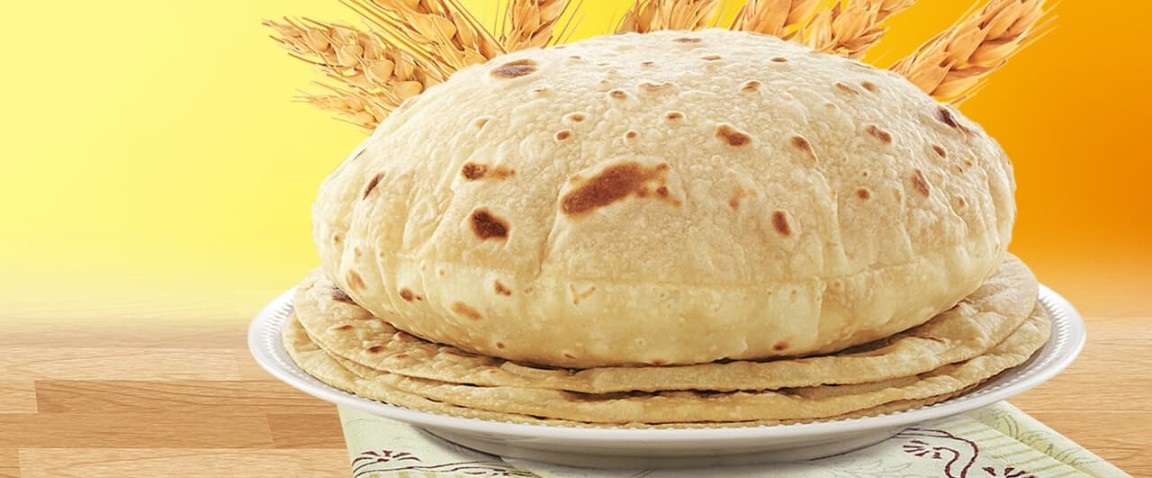
> To make roti using Wheat (MP Lokwan) Flour, you can follow these steps. Roti is a simple and
versatile Indian flatbread that's typically served with various curries, vegetables, or as a wrap
with various fillings.
Ingredients:
- 2 cups MP Lokwan wheat flour.
- Water (approximately 1 cup).
- Salt to taste.
- Ghee or oil (optional).
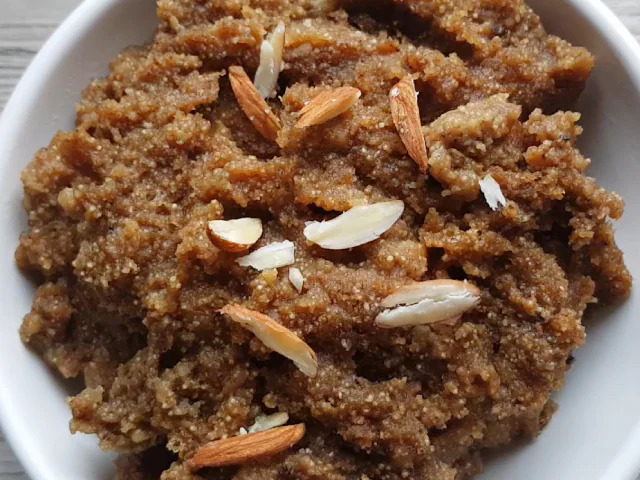
> Making halwa using wheat flour, especially MP Lokwan wheat flour, is a delightful Indian dessert.
Here's a simple recipe to make Wheat Flour Halwa:
Ingredients:
- 1 cup MP Lokwan wheat flour.
- 1/2 cup ghee (clarified butter).
- 1 cup sugar.
- 2 cups water.
- 1/2 teaspoon cardamom powder.
- A handful of chopped nuts (almonds, cashews, and pistachios).
- A pinch of saffron strands (optional, for color and flavor).
- A pinch of food-grade edible color (optional, for color).
More about Wheat (MP Lokwan) Flour
- Rich in Nutrients: Wheat flour is a good source of essential
nutrients like carbohydrates, dietary fiber, protein, vitamins (especially B vitamins like
niacin and folate), and minerals (including iron, magnesium, and zinc).
- Dietary Fiber: Wheat flour, especially whole wheat flour,
contains dietary fiber that aids digestion, helps maintain regular bowel movements, and can
contribute to weight management.
- Energy Source: Carbohydrates in wheat flour provide a quick and
sustained source of energy for the body, making it a staple food in many cultures.
- Heart Health:Wheat flour, particularly whole wheat flour, is
associated with a reduced risk of heart disease due to its high fiber content, which can help
lower cholesterol levels and promote cardiovascular health.
- Weight Management: The fiber and protein in wheat flour can help
you feel fuller for longer, which may assist in controlling appetite and managing body weight.
- Blood Sugar Control: Whole wheat flour has a lower glycemic
index compared to refined flours, which means it can help stabilize blood sugar levels and
reduce the risk of type 2 diabetes.
- Digestive Health: Wheat bran, found in whole wheat flour, can
promote a healthy digestive system by preventing constipation and promoting gut health.
- Source of Antioxidants: Wheat contains antioxidants like
selenium and vitamin E, which help protect cells from oxidative stress and may have anti-aging
properties.
- Folate Content: Folate, a B-vitamin found in wheat flour, is
essential for cell division and can be especially important for pregnant women to prevent neural
tube defects in their babies.
- Supports Bone Health: Wheat flour contains minerals like
magnesium and phosphorus, which are important for maintaining strong bones and teeth.
- Versatility: Wheat flour is versatile and can be used to make a
wide variety of foods, including bread, chapatis, rotis, pasta, pastries, and more.
Notice :- It's important to note that while wheat flour has numerous
benefits, it may not be suitable for everyone, especially those with wheat allergies or gluten
intolerance (celiac disease). If you have specific dietary concerns or restrictions, it's essential
to consult with a healthcare professional or registered dietitian to determine the best choices for
your individual needs. Additionally, choosing whole wheat flour over refined wheat flour offers more
health benefits due to its higher fiber and nutrient content.