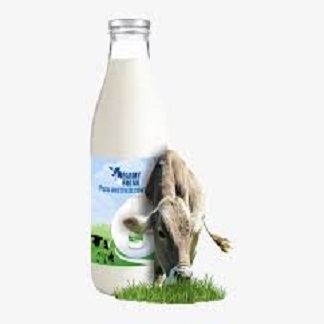
More about Organic Cow Milk
- No Synthetic Chemicals: Organic cow milk is produced without the
use of synthetic pesticides, herbicides, and chemical fertilizers. This can reduce the risk of
chemical residues in the milk and minimize exposure to potentially harmful substances.
- No Antibiotics or Growth Hormones: Organic regulations prohibit
the use of antibiotics and growth hormones in organic dairy farming. This means that cows are
not routinely treated with antibiotics, and their growth is not artificially accelerated. Some
people choose organic milk to avoid potential residues of antibiotics and hormones in
conventionally produced milk.
- Higher Animal Welfare Standards: Organic farming often places a
strong emphasis on animal welfare. Organic cows are typically given access to outdoor areas, and
their living conditions are designed to promote natural behaviors. This can lead to better
treatment of the animals compared to some conventional dairy operations.
- Environmental Benefits: Organic farming practices can have a
lower environmental impact compared to conventional farming. These practices often focus on soil
health, biodiversity, and reduced chemical usage, which can contribute to more sustainable and
eco-friendly agriculture.
- Potential Nutritional Differences: Some studies have suggested
that organic milk may have slightly higher levels of certain nutrients, such as omega-3 fatty
acids and antioxidants, compared to conventionally produced milk. However, these differences can
vary depending on factors such as the cow's diet and farming practices.
- Reduced GMO Content: Organic cows are typically not fed
genetically modified organisms (GMOs), so organic milk is less likely to contain GMOs compared
to conventionally produced milk.
- Taste and Quality: Some consumers believe that organic cow milk
has a richer and more natural flavor compared to conventional milk. This can be a matter of
personal preference.
Notice :- It's important to note that the health benefits of organic cow
milk compared to conventional milk are still a subject of ongoing research, and the differences in
nutrient content can be relatively small. Additionally, organic milk is often more expensive than
conventional milk due to the higher costs associated with organic farming practices.
Ultimately, whether you choose organic cow milk or conventional cow milk may depend on your personal
values, concerns about chemicals and animal welfare, and dietary preferences. It's advisable to read
product labels and do your research to make informed choices about the milk you consume.